Ask a manager who is responsible for the training of their team, and there’s a fair chance the answer is: “HR, I think?” It surprises me every time. I come from a different background. As a manager in the Netherlands, education and training were mandatory. It wasn’t something you did when there was budget left over. It was part of the job, and a fixed topic in the yearly performance interview (the annual review, as you would probably call it in English).
Every year I sat down with each person in my team and talked about where they stood, what they wanted to learn and what the team needed from them. It worked both ways: my own development was on the table too. Training wasn’t a favor from HR. It was a normal part of the conversation between a manager and the people they are responsible for.
That’s probably why I’m so surprised to see how many companies do it differently.
Whose team is it anyway?
In an earlier blog I wrote that responsibility without authority is no responsibility at all. The other way around is true as well: if you have the authority, you carry the responsibility. And a manager is responsible for their team.
Many things influence how well a team performs, but education, training and experience are always in the top three. The more skilled and experienced people are, the better the team performs. So who makes sure that happens? The manager. Not because HR doesn’t care, but because the manager sees the team every day. The manager knows who is struggling, who is ready for the next step, and who is bored because they’ve outgrown their role.
Employees feel this too. LinkedIn’s Workforce Learning Report found that 94 percent of employees say they would stay longer at a company if it invested in helping them learn. Think about that for a moment. Training isn’t just a nice extra. It’s one of the best reasons for good people to stay.
What HR does
HR plays an important role, but it’s a supporting one. They keep track of which trainings have been completed, they watch the trainings required by law, and they make sure licenses and certificates stay up to date. They also help with the practical side, like finding suppliers and planning.
That’s valuable work. But it only starts after someone has said: “This is what my team needs.” That question, and the initiative, has to come from the manager. HR can’t know what each person in your team needs. And to be fair, they don’t have to.
Not just the hands, also the head
Training isn’t only about hands-on skills like operating a machine, working with software or passing a certification. It’s just as much about mental growth: communication, giving feedback, handling pressure, working together.
Personally, I believe soft skills are the most important of the two, especially in leadership positions. Technical knowledge may get you the job, but how you deal with people decides whether you’re good at it. And again, this is something a manager sees best: the brilliant specialist who can’t give feedback, or the new team leader who is great with people but struggles to plan.
When the team starts asking
Here’s the part I enjoyed most. When training is a normal topic, something changes in the team. At first, I was the one raising it in the yearly interview. After a while, team members started coming to me: “I’d like to learn this.” “Could I follow a course on that?” “I think the team could use training in this area.”
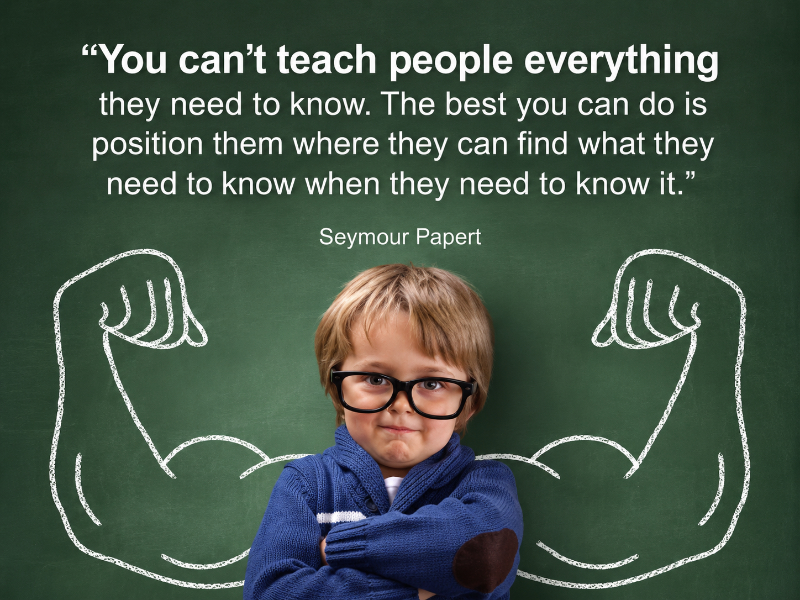
That’s the moment you know it’s working. People who ask for training want to grow, see where the gaps are, and take ownership of their own development. As a manager, nothing beats that. It means you’ve built a team where learning is normal instead of something that’s pushed on people. Development isn’t something you do to a team. You create it withthe team. You provide the space, the budget and the conversation. They bring the motivation.
The good news
The good news is that I meet more and more managers who understand this. They know that the team is theirs, that development starts with a conversation, and that they shouldn’t wait for HR to tell them what their people need. So, if possible, I always speak with the manager first. They come prepared, they know their people, and they can answer questions HR can’t. That’s only logical, because HR doesn’t have to know the answers.
Training is not HR’s job. It’s a managers job. And the best part is that your team will thank you for it, usually by asking for more.
Peter Henssen
